Machinepower
Index
The GDP of AI sovereignty. A live index scoring 20 jurisdictions today — 25+ by the Q4 refresh — on the three things AI power actually requires, built on 12 primary datasets from the TOP500 to the Stanford AI Index.
Everyone measures AI power the wrong way
Existing indices average a country’s strengths — so a nation with brilliant models and no electricity still looks strong. But AI capability doesn’t average: sovereignty is only as strong as its weakest layer.
Our Score subtracts a penalty for the weakest layer; the Potential shows what fixing it is worth. That single design choice changes every ranking — scroll the cards to see it bite.
Three layers. One honest number.
Watts — material power
Energy, grids, data centres, chips. Calibrated against TOP500, JLL, and Energy Institute data.
Weights — intelligence power
Models, talent, research output. Calibrated against Epoch AI, the Stanford AI Index, and WIPO.
Will — political power
Policy speed, procurement, public trust. Calibrated against Oxford Insights and OECD.AI.
Score = the average of the three layers, minus a penalty for the weakest one. Potential = the average alone. Every country page carries the strategic play to close the gap — and sponsors touch none of it: scores and methodology are editorially independent, in writing.
Findings that start arguments
Britain’s Score against its Potential — the grid, not talent, is the gap. Its path back runs through Arm, SMRs, and a 420-exaflop compute roadmap.
The layer that most often holds nations back. Electricity — not models — is the modern arms race.
Total Sovereignty, Strategic Autonomy, Diffusion Advantage, Compute Rentier — every nation is playing one. The index names which, and whether it’s working.
Jurisdictions scored quarterly and expanding every refresh — with Taiwan and the Netherlands treated as what they are: the chokepoints of the entire supply chain, not footnotes.
Every number is computed live from the index or cited to a source under 12 months old — the full dataset downloads from the site in one click.
Sovereignty is the AI story of 2026
Every one of these is a bet on the question the Index scores: who holds the watts, the weights, and the will. The people deciding them are exactly who reads an index.
What your name on this buys you
Governments & institutes
An independent evidence base for the sovereignty agenda — cite it, launch with it, host the quarterly roundtable. Policy institutes get the analytical frame their AI-statecraft argument needs.
Frontier labs
Your policy asks — grids, permitting, procurement reform — made by a neutral third party with data, not by you. Independent indices say what labs can’t.
Hyperscalers & chipmakers
The index quantifies why nations buy sovereign compute. Every Watts bottleneck it scores is your sales narrative — written by someone credible who isn’t selling.
Scaleups & advisors
Founding-sponsor scarcity: your logo on the reference index of the category you’re building in, for the price of one conference booth.
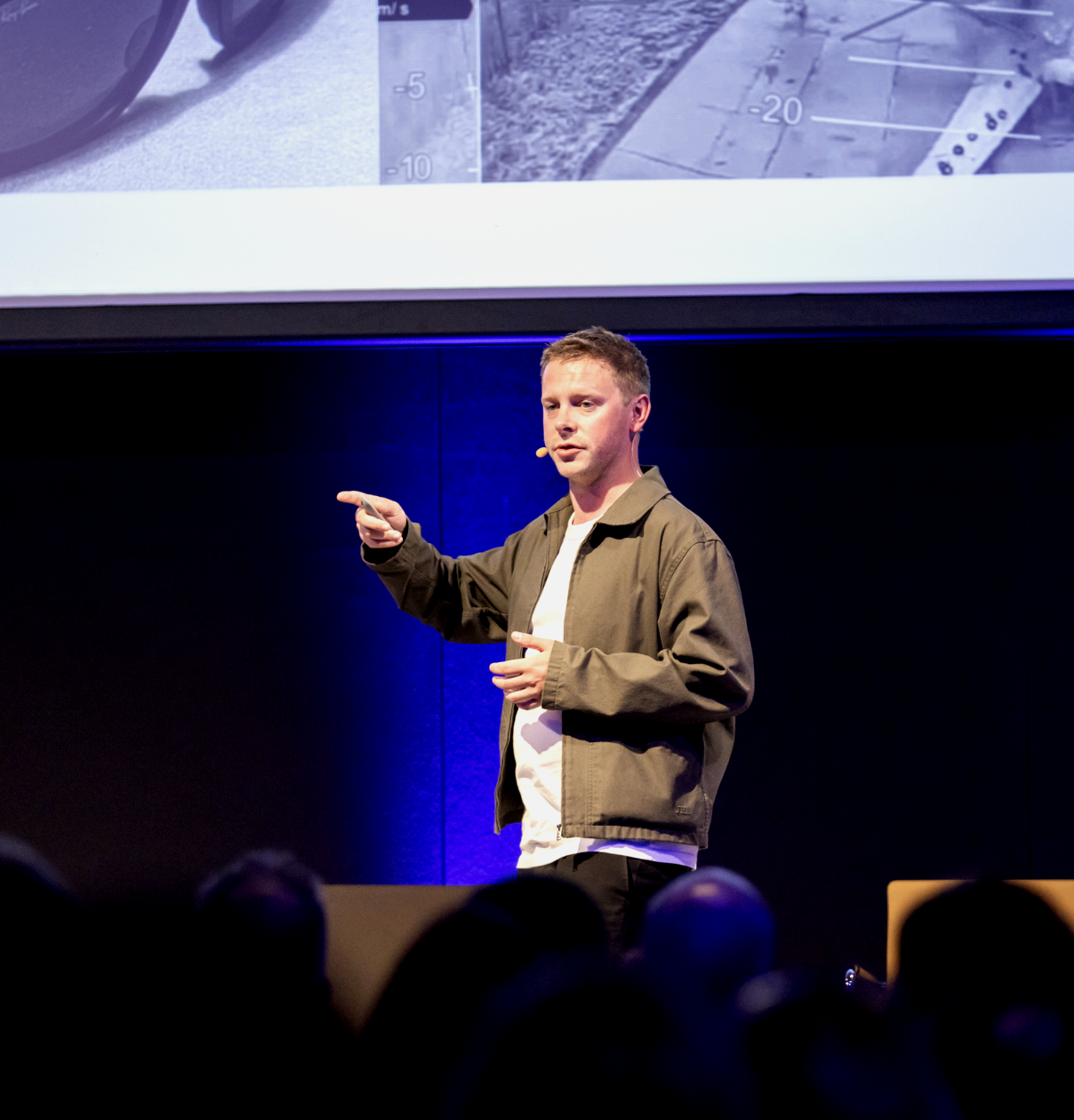
Elliot Leavy
Strategist, writer, and speaker based in London. I work at Elsewhen helping FTSE 100 firms and public sector organisations rebuild their structures for agentic AI. I write on AI and geopolitics for The Spectator, VentureBeat, and UnHerd — and track sovereign AI through the Machinepower Index.
The index exists because the sovereignty conversation deserved better numbers. Partners deal with me directly — no agency, no sales layer.
Sponsorship, plainly priced
Founding pricing reflects the proof stage — three names, permanently attached, on terms that will never be offered again. Sponsors never touch scores, methodology, or country selection; that guarantee is published on the site.
Own the lens on the
decade’s defining question.
Every quarter, the people deciding sovereign AI — ministers, strategy leads, sovereign investors — will reach for one number that says who is winning and why. Partners get their name on that number, independent evidence for the argument they’re already making, and a seat in the room where it lands.
machinepowerindex.org — MPI © 2026